

For many gym-goers, a typical day can look like this: eggs for breakfast, chicken and rice for lunch, a protein shake after training, and paneer, fish or another protein-rich meal for dinner. Protein has become a major part of fitness culture—but while we often think about how much protein we eat, how safely we handle those foods is just as important.
A high-protein diet is not inherently unsafe. The concern comes from the large amounts of perishable foods often involved, particularly meat, poultry, eggs and dairy products.
More Protein Can Mean More Food-Safety Responsibility
Chicken, fish, meat and eggs are nutritious sources of protein, but raw or undercooked animal products can carry harmful microorganisms. The risk increases when raw foods are handled improperly, cooked inadequately, or kept at unsafe temperatures.
For example, raw chicken prepared on a cutting board that is later used for salad without proper cleaning can transfer harmful bacteria to ready-to-eat food. This is known as cross-contamination.
The solution is simple: keep raw and cooked foods separate, wash hands and utensils thoroughly, and use separate cutting boards where possible.
The Meal-Prep Trap
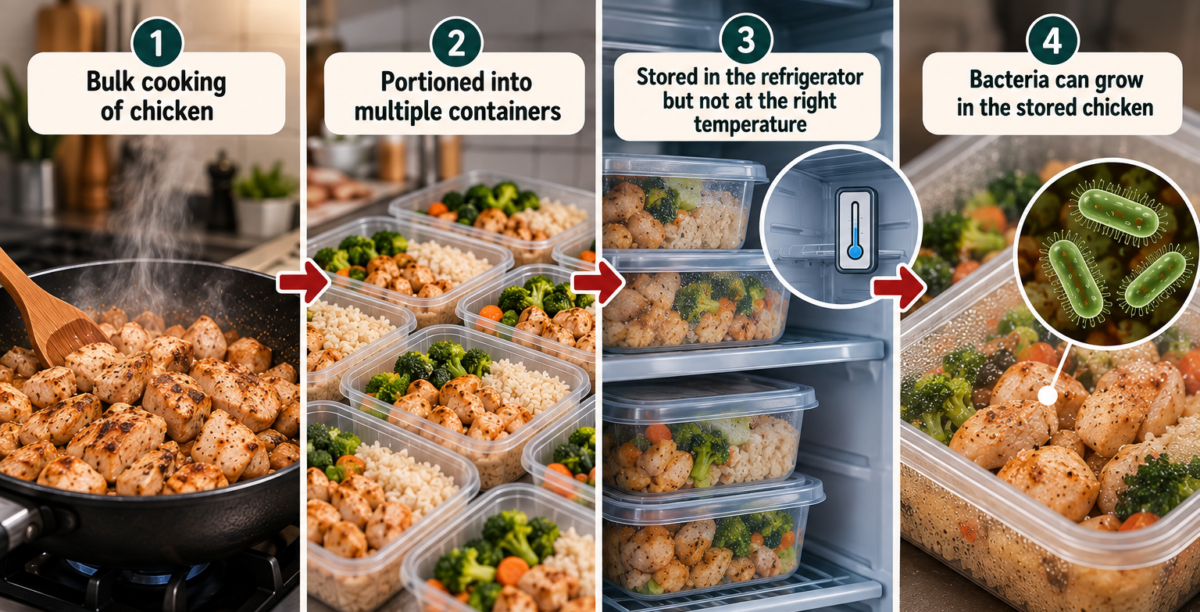
Meal prepping is popular among fitness enthusiasts because it saves time and makes it easier to stick to a diet. But cooking five boxes of chicken and rice on Sunday does not automatically make them safe for the entire week.
Cooked foods should be refrigerated promptly rather than being left at room temperature for prolonged periods. Store meals in clean, covered containers and keep the refrigerator at ≤4°C.
Cooked leftovers should generally be used within 3–4 days and reheated thoroughly to a core temperature of at least 75°C before consumption.
If you are carrying a meal to the gym, office or college, maintaining temperature control is equally important. A properly insulated food bag with ice packs can help keep perishable foods cold during transport.
Don’t Forget the Protein Shake
Protein powder is generally shelf-stable when stored according to the manufacturer’s instructions. But once you mix it with milk, water or other ingredients, it becomes a prepared beverage.
A shake prepared at home and forgotten inside a warm gym bag for several hours is a very different food-safety situation.
Mix it when possible, keep it chilled when necessary, and clean the shaker thoroughly after use.
Eggs, Dairy and Paneer Need Care Too
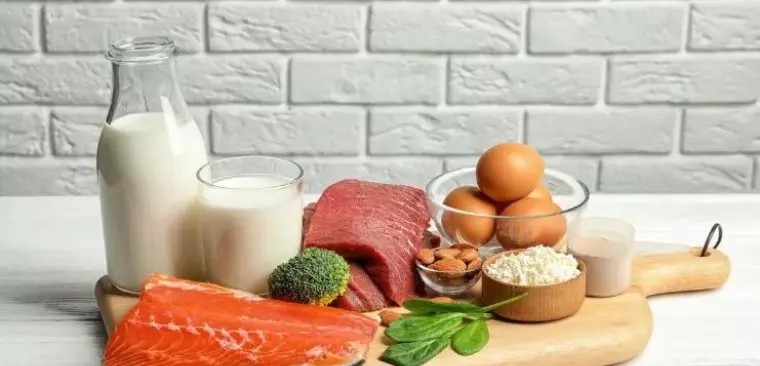
Image source: PharmEasy
Eggs, milk, curd, paneer and other refrigerated protein sources should be stored at appropriate temperatures and checked for spoilage and expiry. Don’t rely only on smell or appearance to determine whether food is safe.
And when cooking eggs, poultry, fish or meat, make sure they reach a safe internal temperature rather than judging doneness solely by colour.
Your Fitness Routine Shouldn’t Come With a Foodborne Illness
Building muscle requires consistency but so does food safety.
Before your next meal-prep session, remember four simple rules:
Clean. Separate. Cook. Chill.
Clean your hands and equipment. Separate raw foods from ready-to-eat foods. Cook foods thoroughly. Chill perishable foods promptly.
A high-protein diet can be part of a fitness routine without becoming a food-safety hazard. The goal isn’t just to eat more protein—it’s to make sure the protein you’re eating is safe from preparation to plate.