Imagine a world without preservatives, where fruits quickly turn brown, bread goes stale within hours, and canned goods spoil before reaching our shelves. Preservatives are the unsung heroes of the...


Imagine a world without preservatives, where fruits quickly turn brown, bread goes stale within hours, and canned goods spoil before reaching our shelves. Preservatives are the unsung heroes of the...

Packing a school lunch may seem simple, but ensuring it stays safe and fresh until lunchtime is a whole different story. Between early mornings, warm classrooms, and long gaps before eating,...

Introduction: What Is Halal Certification? Halal—Arabic for “permissible” under Islamic law—refers to goods and services compliant with Shariah dietary and ethical principles. Halal certification is...

Introduction: Why "Jaivik Bharat" Matters India’s organic food industry is booming—but with growth comes challenges: mislabeling, misleading claims, and consumer skepticism. To address these issues,...

With the growing demand for ethically sourced, animal-free products, vegan certification has become essential in India. For food businesses in particular, the introduction of an official vegan logo...

The growing global awareness of environmental issues has led to a significant shift in packaging practices, particularly in the food industry. One of the most impactful changes is the integration of...

When you reach for a packaged food item—whether it's yogurt, ready-to-eat meals, or a bottle of juice—there’s a small but critical detail on the label: the expiration date. But how is this date...

In India’s rapidly evolving food processing industry, maintaining stringent hygiene and safety standards is crucial—not just for consumer protection but also for global trade compliance. As India...

In the food processing industry, water is more than just a utility—it's a critical ingredient, a cleaning agent, a processing aid, and sometimes even a final rinse. Given its multifaceted role, the...

In a diverse and evolving food landscape like India, food allergies are emerging as a serious public health concern. With increasing incidence of allergies and heightened consumer awareness, the...

In today’s fast-paced world, leftovers are a convenient and economical way to reduce food waste and simplify meal planning. However, how you reheat your food matters—not just for taste and texture,...

In today’s health-conscious society, consumers are increasingly drawn to food labels that claim to be “natural” or “organic.” These terms are often associated with safer, healthier, and more...

In recent years, air fryers have surged in popularity, praised for their ability to produce crispy, flavorful meals with minimal oil. From convenience to health benefits, air fryers have found a...
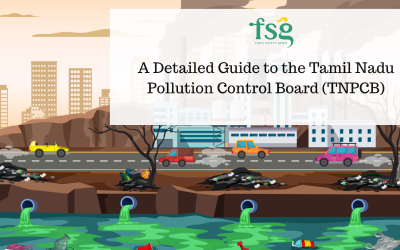
The Tamil Nadu Pollution Control Board (TNPCB) plays a vital role in maintaining environmental quality and regulating industrial activities to ensure sustainable development. Image Reference :...

Meal subscription boxes have transformed how many people shop, cook, and eat. These services offer convenience, variety, and even a touch of culinary adventure. Whether you're trying to eat...

In a hyper-competitive and innovation-driven marketplace, organizations must constantly evolve to stay relevant. One of the most powerful levers for growth is New Product Development (NPD)—the...

Food safety is not static. It evolves with the seasons, as environmental conditions—such as temperature, humidity, rainfall, and pest activity—fluctuate throughout the year. These seasonal changes...

In today’s fast-paced world, packaging is not just about aesthetics—it’s a crucial barrier between the product and potential contaminants. Among the many innovations in food packaging, Tetra Pak has...

Introduction Food processing units require stringent cleaning and sanitation to maintain hygiene and safety. However, traditional chemical-based cleaners can pose environmental risks, leading to...
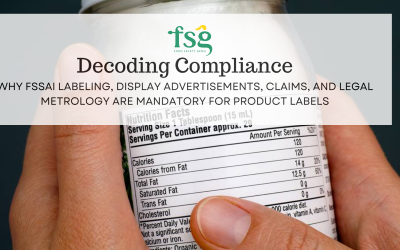
In India’s regulated food ecosystem, product labeling is not just about branding—it is a legal obligation and a cornerstone of consumer protection. With growing consumer awareness, digital...

A fire license, also known as a Fire No Objection Certificate (NOC), is a mandatory document issued by the fire department in India, certifying that a building complies with fire safety regulations...