
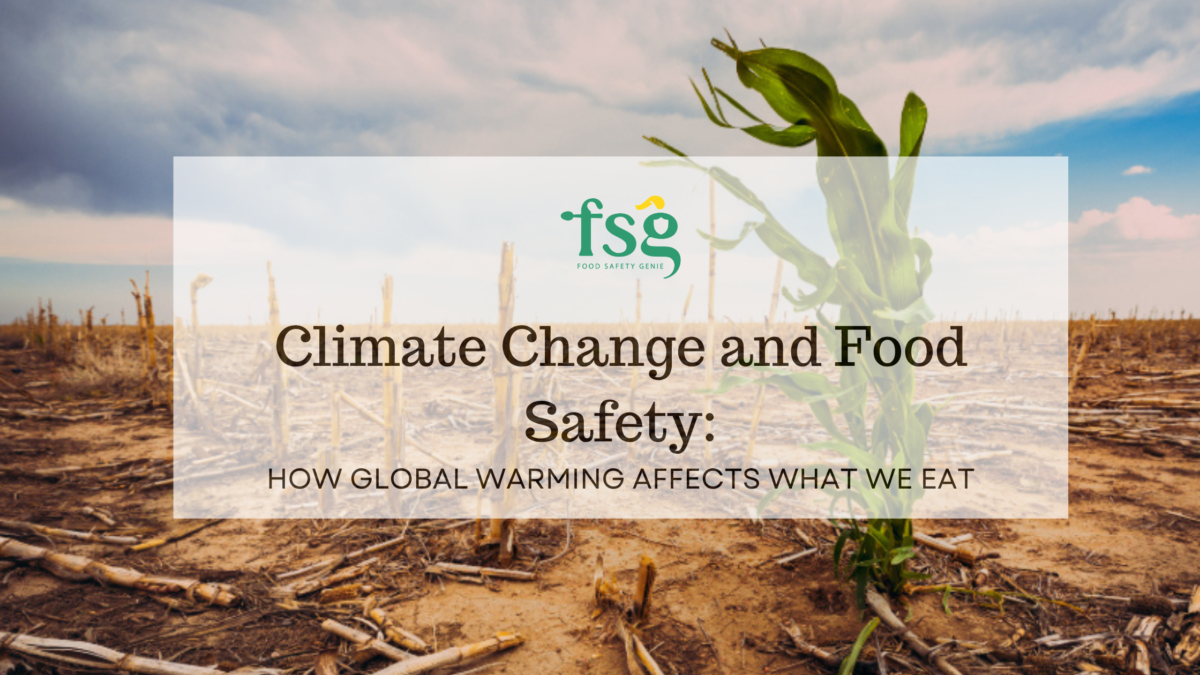
“It’s just a hotter summer.” That’s what many of us think when temperatures rise. But have you ever wondered what that extra heat does to the food on your plate?
Imagine buying fresh vegetables from the market on a scorching afternoon. By the time you get home, they’ve already started to wilt. Or think about a truck carrying milk, meat, or seafood across the country during a heatwave. What happens if the temperature isn’t maintained?
Climate change isn’t just changing our weather—it’s also changing the way our food is grown, stored, transported, and ultimately, how safe it is to eat.
Let’s take a closer look.
What Does Climate Change Have to Do with Food Safety?
Climate change refers to long-term changes in temperature, rainfall, and weather patterns caused largely by increased greenhouse gas emissions.
While we often hear about melting glaciers and rising sea levels, another important consequence often goes unnoticed: food safety.
Food is highly sensitive to temperature, water quality, humidity, and environmental conditions. As the climate changes, these factors become more unpredictable, increasing the risk of contamination and foodborne illnesses.
When Heat Rises, So Does Bacterial Growth
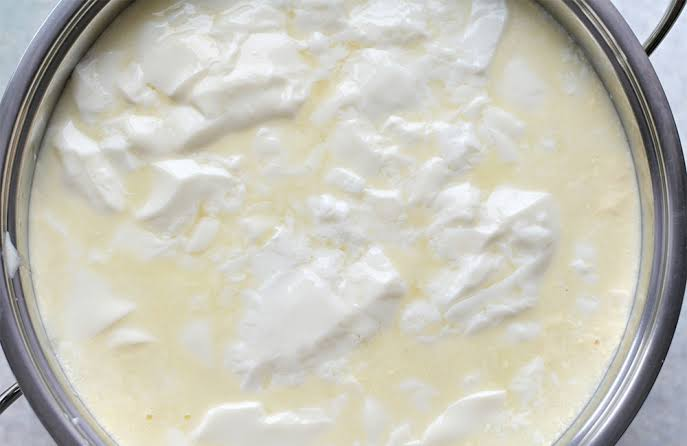
Image Reference: www.crushmag-online.com
Have you ever noticed how milk spoils faster during summer?
That’s because bacteria thrive in warm temperatures.
Microorganisms such as Salmonella, Escherichia coli (E. coli), and Listeria multiply much faster when food is left in warm conditions. A meal left on the kitchen counter for a few hours during a heatwave can become unsafe much more quickly than it would during cooler weather.
This is why maintaining the cold chain keeping food at safe temperatures from production to consumption is becoming more important than ever.
Food Spoils Faster Than You Think
Fresh ruits, vegetables, dairy products, meat, and seafood are all highly perishable.
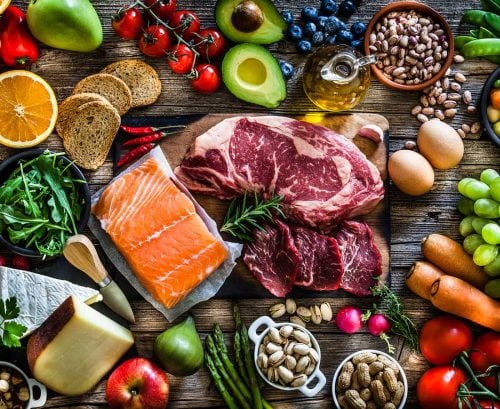
Image Reference: www.healthyfood.com
As temperatures continue to rise, these foods lose freshness more quickly if they are not properly refrigerated.
Longer and more intense summers also mean:
- Reduced shelf life of fresh produce
- Faster spoilage of dairy products
- Increased risk of food poisoning from improperly stored meat and seafood
For both consumers and food businesses, proper refrigeration is no longer just a recommendation, it’s a necessity.
Extreme Weather Brings Hidden Risks
Climate change is increasing the frequency of floods, droughts, cyclones, and heavy rainfall.
But what does that mean for your food?
Floodwater can carry sewage, chemicals, and harmful microorganisms onto agricultural fields, contaminating fruits, vegetables, and irrigation water. Droughts may reduce the availability of clean water needed for farming and food processing.
Even after the weather clears, contamination can remain, making food safety monitoring even more critical.
Tiny Moulds, Big Problems
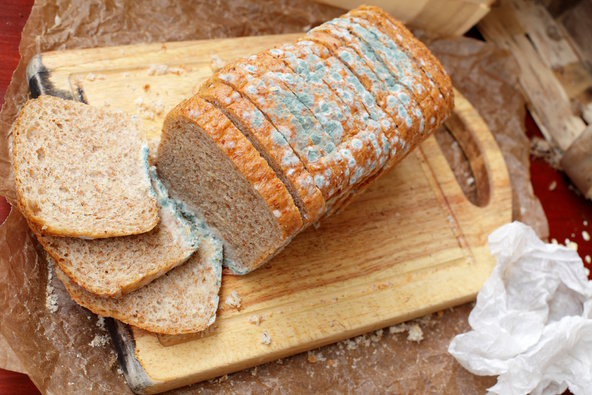
Image Reference: www.nytimes.com
Not all food safety hazards are visible.
Warm and humid conditions encourage the growth of moulds on crops such as maize, peanuts, cereals, spices, and tree nuts.
Some moulds produce harmful substances called mycotoxins, which can remain in food even after processing. Long-term exposure to certain mycotoxins has been linked to serious health concerns, making proper storage and regular quality checks essential.
Pests Love a Warmer Climate Too
As temperatures rise, insects and rodents find more opportunities to survive and reproduce.
This means farms, warehouses, restaurants, and food processing facilities may face increased pest activity.
Without effective pest management, these unwanted visitors can contaminate food with bacteria, viruses, and other harmful microorganisms, increasing the risk of foodborne illnesses.
Even Seafood Isn’t Immune
Climate change doesn’t stop on land.
Warmer oceans can encourage the growth of harmful algae and bacteria that affect fish and shellfish. Changes in sea temperature may also increase the likelihood of certain seafood-related foodborne illnesses.
This makes careful monitoring, proper storage, and temperature-controlled transportation even more important for seafood products.
What Can You Do as a Consumer?
While climate change is a global challenge, small food safety habits can make a big difference.
Here are a few simple steps you can follow:
- Refrigerate perishable foods promptly after purchase.
- Avoid leaving cooked food at room temperature for long periods.
- Wash fruits and vegetables thoroughly with clean water.
- Purchase food from trusted and hygienic sources.
- During hot weather, pay extra attention to dairy products, meat, seafood, and ready-to-eat foods.
A Shared Responsibility
Climate change is no longer just an environmental issue—it’s becoming a food safety issue.
Farmers, food manufacturers, transporters, restaurants, regulators, and consumers all have a role to play in keeping food safe despite changing environmental conditions. Better temperature control, safe water management, pest control, and good hygiene practices are becoming increasingly important as our climate continues to change.
The next time you experience an unusually hot day or hear about floods affecting agriculture, remember that the impact goes beyond the weather. It can influence the safety of the food we grow, buy, and eat every day.
As climate challenges continue to evolve, one thing remains constant: good food safety practices are our strongest defence. By staying informed and making smart choices—from proper food storage at home to supporting safe food handling throughout the supply chain—we can help ensure that the food on our plates remains safe, nutritious, and fit for consumption, regardless of the climate outside.