

Food safety is a critical aspect of every food business, from restaurants and bakeries to cloud kitchens and food manufacturing units. Microorganisms are naturally present in the environment, and while some are beneficial, others can compromise food quality and consumer safety. Among the various groups of bacteria, thermophilic and mesophilic bacteria are important indicators of hygiene, sanitation, and process control within food establishments.
Understanding these microorganisms can help food businesses strengthen their food safety practices and prevent potential contamination risks.
Mesophilic Bacteria: Common Indicators of Food Safety
Mesophilic bacteria grow best at moderate temperatures, typically between 20°C and 45°C. Since this range overlaps with normal room temperatures and the human body temperature, many foodborne pathogens belong to this group.
Common examples include Salmonella, E. coli, and Staphylococcus aureus. These bacteria can multiply rapidly when food is kept within the temperature danger zone of 5°C to 60°C. Improper storage, inadequate cooking, poor personal hygiene, and cross-contamination can create ideal conditions for their growth.
High mesophilic bacterial counts often indicate issues such as poor sanitation, ineffective cleaning practices, or temperature abuse during food handling and storage. For this reason, mesophilic counts are commonly used during microbiological testing to assess the overall hygiene status of food products and food-contact surfaces.
Thermophilic Bacteria: Indicators of Equipment and Process Hygiene
Thermophilic bacteria thrive at temperatures above 45°C and are commonly found in heat-processing environments. Unlike mesophilic bacteria, they are not usually associated with foodborne illnesses. However, they can contribute to food spoilage and signal sanitation concerns within processing systems.
These bacteria are often found in equipment such as pasteurizers, boilers, heat exchangers, and hot water systems. Certain thermophilic species can form heat-resistant spores, enabling them to withstand processing conditions that would otherwise destroy other microorganisms.
The presence of thermophilic bacteria may indicate inadequate cleaning, build-up of food residues, or ineffective sanitation procedures. In food manufacturing environments, this can lead to reduced product shelf life and quality issues if not properly controlled.
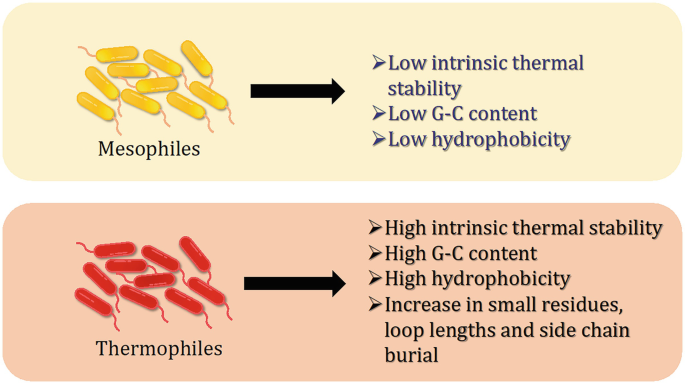
Image Source: Springer Nature – Diversity of Thermophilic Prokaryotes, Chapter 14.
Why Monitoring These Bacteria Matters
Both thermophilic and mesophilic bacteria provide valuable insight into the effectiveness of a food establishment’s hygiene and food safety programs. Elevated mesophilic counts may point to poor handling practices or temperature control failures, while high thermophilic counts may highlight deficiencies in equipment cleaning and maintenance.
Regular microbiological testing helps businesses identify potential issues before they escalate into food safety incidents. Combined with routine inspections and audits, bacterial monitoring serves as an important verification tool for sanitation and process controls.
Best Practices for Control
Food establishments can minimise bacterial contamination by implementing the following measures:
- Maintain proper hot and cold holding temperatures.
- Follow safe cooking, cooling, and storage procedures.
- Ensure effective cleaning and sanitation of equipment and surfaces.
- Prevent cross-contamination between raw and ready-to-eat foods.
- Train employees regularly on food hygiene practices.
- Conduct periodic microbiological testing and internal audits.
Conclusion
Thermophilic and mesophilic bacteria are more than just microorganisms—they are valuable indicators of the effectiveness of a food safety management system. Monitoring their presence helps food businesses evaluate hygiene standards, sanitation effectiveness, and process controls.
By maintaining proper temperature control, implementing robust cleaning procedures, and conducting regular food safety audits, establishments can significantly reduce contamination risks and ensure the delivery of safe, high-quality food to consumers. A proactive approach to microbial control not only protects public health but also strengthens customer trust and business reputation.