
Imagine sitting down to enjoy a delicious plate of grilled fish or prawns. Now imagine that, along with the seafood, you may also be eating tiny pieces of plastic that are too small to see. It sounds shocking, but it is a real issue that scientists around the world are studying.
This problem first gained global attention after researchers began finding plastic waste in the oceans. One of the most famous incidents happened in 1997 when sailor and researcher Captain Charles Moore discovered the Great Pacific Garbage Patch, a massive area in the Pacific Ocean filled with floating plastic debris. Over time, sunlight, waves, and wind broke these plastics into tiny particles called microplastics. These are tiny plastic particles that are less than 5 millimeters in size about the size of a sesame seed or even smaller. Many are so tiny that they cannot be seen with the naked eye.
But how do these tiny plastics end up in seafood?
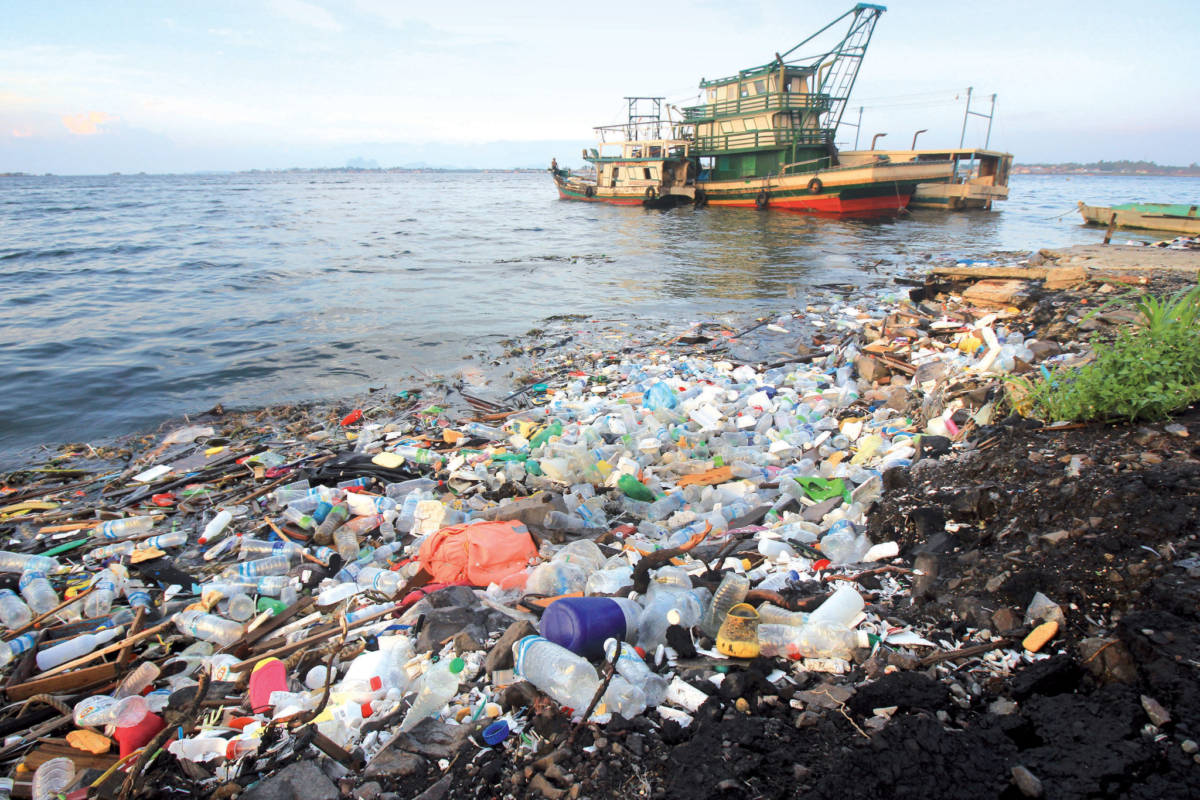
Image Reference: journals.openedition.org
Every year, millions of tons of plastic enter rivers, lakes, and oceans. Plastic bottles, bags, fishing nets, food wrappers, and even tiny fibers released from washing synthetic clothes break down into smaller and smaller pieces. Fish, shrimp, oysters, mussels, and other marine animals often mistake these particles for food. Some filter seawater for food and accidentally collect microplastics, while others eat smaller animals that have already swallowed them.
As these seafood species move through the food chain, microplastics can eventually reach our dinner plates. Shellfish such as mussels and oysters are of particular concern because they are usually eaten whole, including the digestive system where many microplastics are found.
Scientists are still learning about the long-term effects of microplastics on human health. Some studies suggest that these tiny particles may carry harmful chemicals, bacteria, or heavy metals. Researchers are investigating whether they can cause inflammation or other health problems after entering the human body. However, more evidence is needed before drawing firm conclusions.
The good news is that everyone can help reduce plastic pollution. Using reusable bags and bottles, avoiding single-use plastics, recycling correctly, and disposing of waste responsibly can all make a difference. Supporting beach clean-up activities and choosing sustainable seafood also help protect our oceans.
Microplastics remind us that our everyday choices have a lasting impact on the environment. The plastic we throw away today may return to us tomorrow in ways we never expected. Protecting our oceans is not just about saving marine life—it is also about protecting the food we eat and the health of future generations.
The next time you enjoy seafood, remember that keeping our oceans clean begins with simple actions taken by each one of us. Small changes today can lead to a healthier planet and a safer plate tomorrow.