
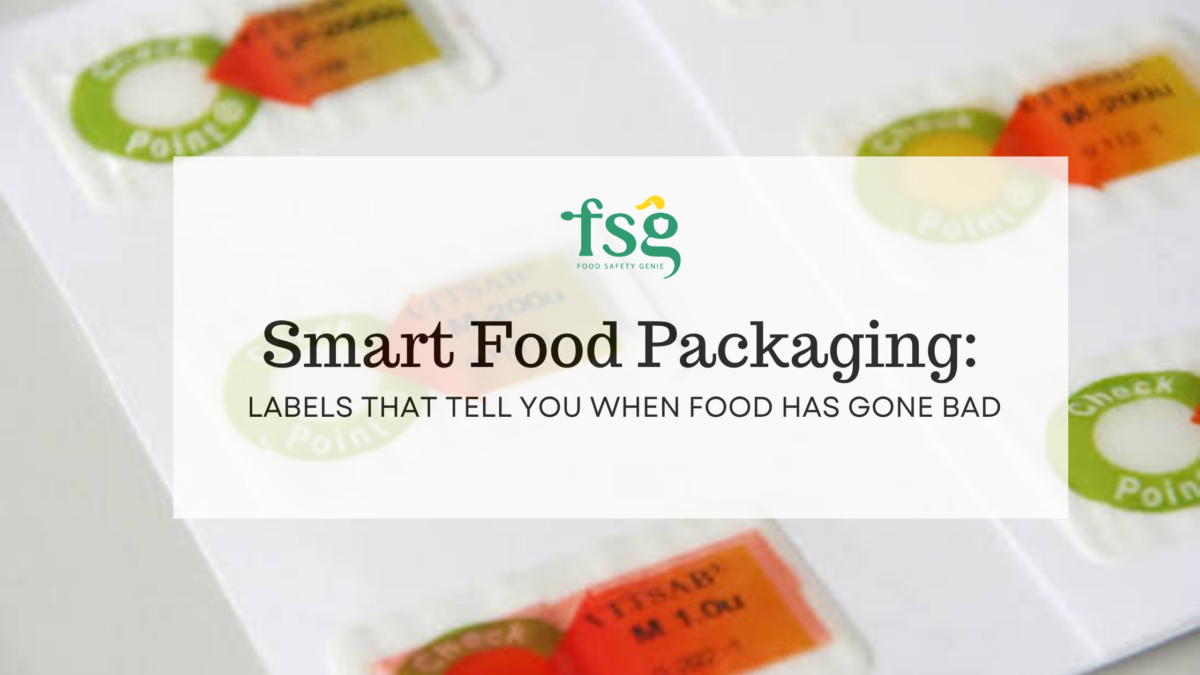
Imagine buying a packet of milk or paneer from the supermarket. After a few days, you open your refrigerator and wonder, “Is this still safe to eat?” Most of us look at the expiry date or smell the food before deciding. But what if the food packet itself could tell you whether the food is fresh or spoiled? This is called smart food packaging, and it could soon become a part of our daily lives.
The idea of smart food packaging became popular because food waste is a big problem around the world, including in India. According to the Food and Agriculture Organization (FAO), nearly one-third of all food produced in the world is wasted every year. Many people throw away food just because the expiry date has passed, even if it is still safe to eat. To solve this problem, scientists have created smart labels that can tell us the real condition of the food.
So, what is smart food packaging?
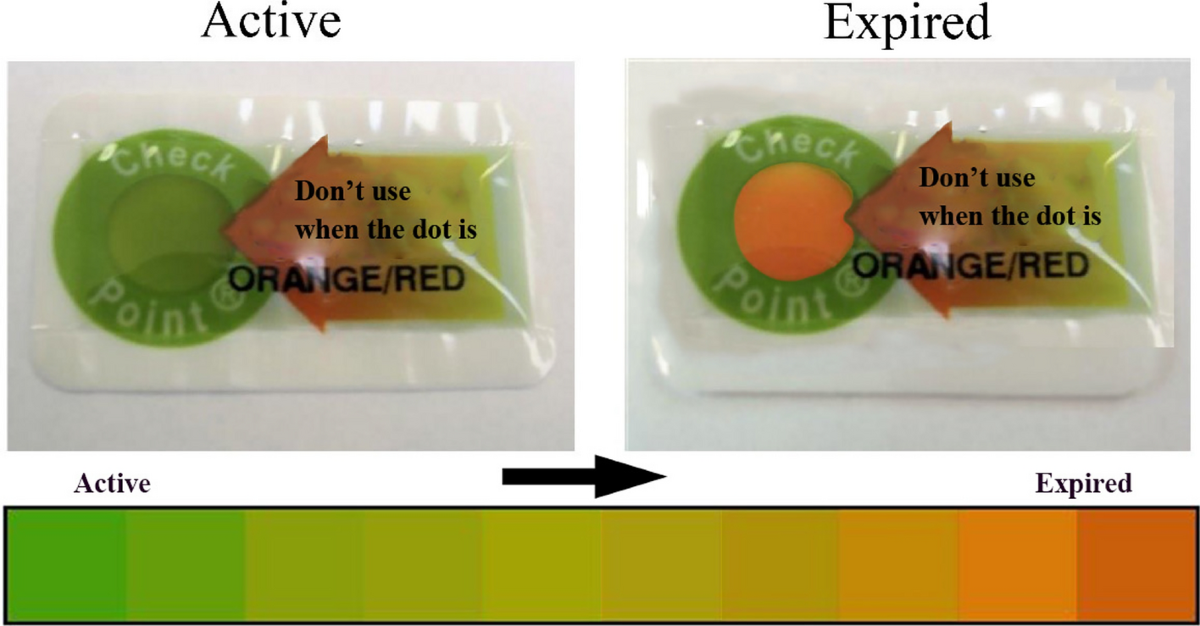
Image Reference: link.springer.com
Smart food packaging uses special labels or tiny sensors that check the freshness of the food inside the packet. Unlike normal packaging, these labels can detect changes caused by bacteria, heat, or gases that are released when food starts to spoil. Some smart labels even change colour to show whether the food is safe to eat.
For example, imagine buying a packet of paneer. The label is green when the paneer is fresh. As the paneer starts to spoil, the label slowly changes to red. Instead of guessing or only checking the expiry date, you can simply look at the label and know if the food is still safe.
There are different types of smart packaging. Time-Temperature Indicators (TTIs) show whether the food has been stored at the right temperature. This is very useful in India, especially during hot summers or power cuts, when food can spoil quickly. Other labels can detect gases released by spoiled food. Some food packets also have QR codes that you can scan with your phone to learn where the food came from, how it was stored, and when it was packed.
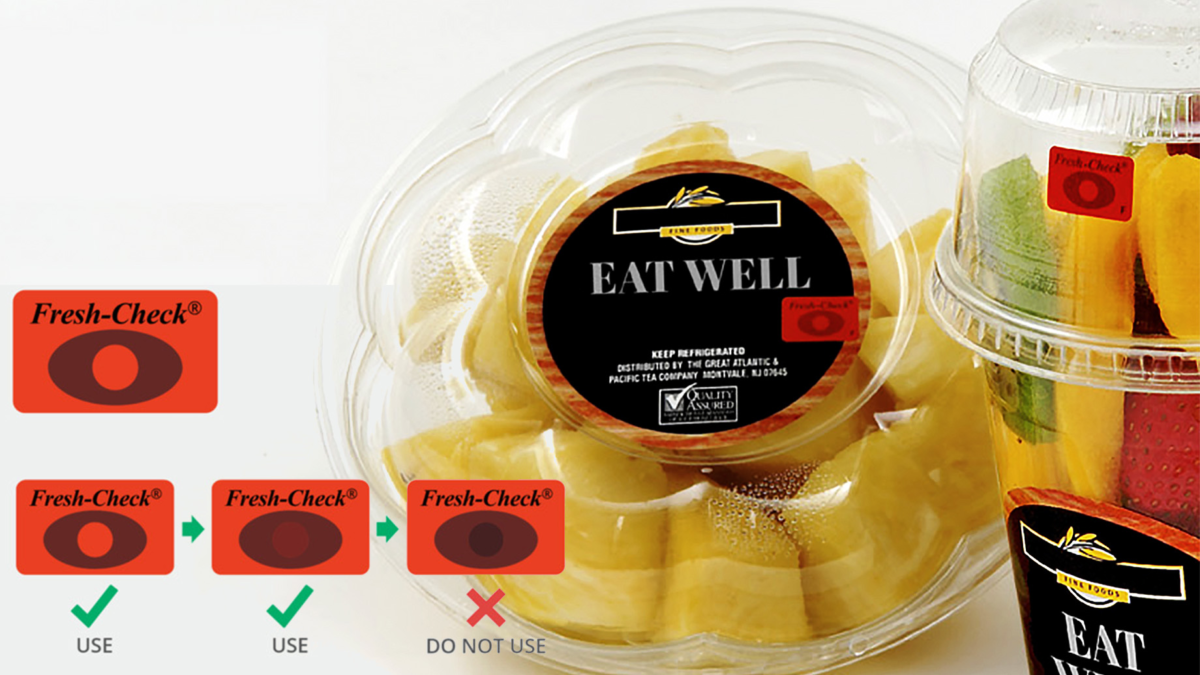
Image Reference: zebra.com
Smart food packaging has many benefits. It helps families avoid throwing away food that is still good to eat. It also helps keep people safe by warning them if food has gone bad. This is especially useful for foods like milk, curd, paneer, meat, seafood, and ready-to-eat meals.
Although smart packaging is a great idea, it is still not common in India. The technology is more expensive than normal packaging, so many companies are still testing it. Scientists are also working on making smart packaging cheaper and more eco-friendly.
In the future, shopping for groceries could become much easier. Instead of depending only on the expiry date, we may use smart labels that tell us whether the food is really fresh. This can reduce food waste, save money, and help families eat safer food.
The next time you buy a packet of milk, paneer, or curd, imagine the packet giving you a simple message not with words, but with a colour-changing label that says, “I’m still fresh!” That future may be closer than we think.