

In recent years, the line between food and medicine has become increasingly blurred. Consumers are no longer eating just to satisfy hunger; they are choosing foods that promise additional health benefits such as improved immunity, better digestion, enhanced brain function, and reduced risk of chronic diseases. This shift has led to the rapid growth of functional foods and nutraceuticals, transforming the global food and health industries.
While these products are often marketed as safe and beneficial, an important question arises. Are functional foods and nutraceuticals always safe, or do they carry hidden risks that consumers may overlook?
Image Reference: www.healthprotection.com
Understanding Functional Foods and Nutraceuticals
Functional foods are everyday foods that provide health benefits beyond basic nutrition. These include items such as probiotic yogurt, fortified cereals, omega three enriched eggs, and beverages enhanced with vitamins and minerals. They are typically consumed as part of a regular diet and are often positioned as a natural way to improve health.
Nutraceuticals, on the other hand, are products derived from food sources but presented in medicinal forms such as capsules, tablets, powders, or liquids. These include dietary supplements like fish oil capsules, herbal extracts, protein powders, and vitamin supplements. Nutraceuticals are often used to prevent or manage health conditions and are sometimes seen as alternatives to pharmaceutical drugs.
The popularity of both categories has increased due to rising health awareness, aging populations, and the growing prevalence of lifestyle related diseases such as diabetes, obesity, and cardiovascular disorders.
Factors Driving Their Rapid Growth
The rise of functional foods and nutraceuticals is closely linked to changes in consumer behavior. People are becoming more proactive about their health and are seeking preventive solutions rather than waiting for illness to occur. The influence of social media, fitness culture, and wellness trends has also played a significant role in promoting these products.
In addition, advancements in food science and nutrition have made it possible to enhance foods with specific bioactive compounds. Companies are investing heavily in research and development to create products that target specific health concerns such as immunity, gut health, and mental well being.
The convenience factor also contributes to their popularity. Nutraceuticals, in particular, offer an easy way to consume concentrated nutrients without major changes in diet or lifestyle.
Health Benefits and Promises
Functional foods and nutraceuticals are associated with a wide range of potential health benefits. Probiotics are known to support digestive health by maintaining a healthy balance of gut bacteria. Omega three fatty acids are linked to improved heart health and reduced inflammation. Antioxidants found in fruits, vegetables, and supplements help combat oxidative stress and may reduce the risk of chronic diseases.
Fortified foods help address nutrient deficiencies, especially in populations where certain vitamins or minerals are lacking in the diet. For example, foods enriched with vitamin D or iron can play a role in preventing deficiencies and improving overall health.
These benefits make functional foods and nutraceuticals appealing to consumers who want to take control of their well being through dietary choices.
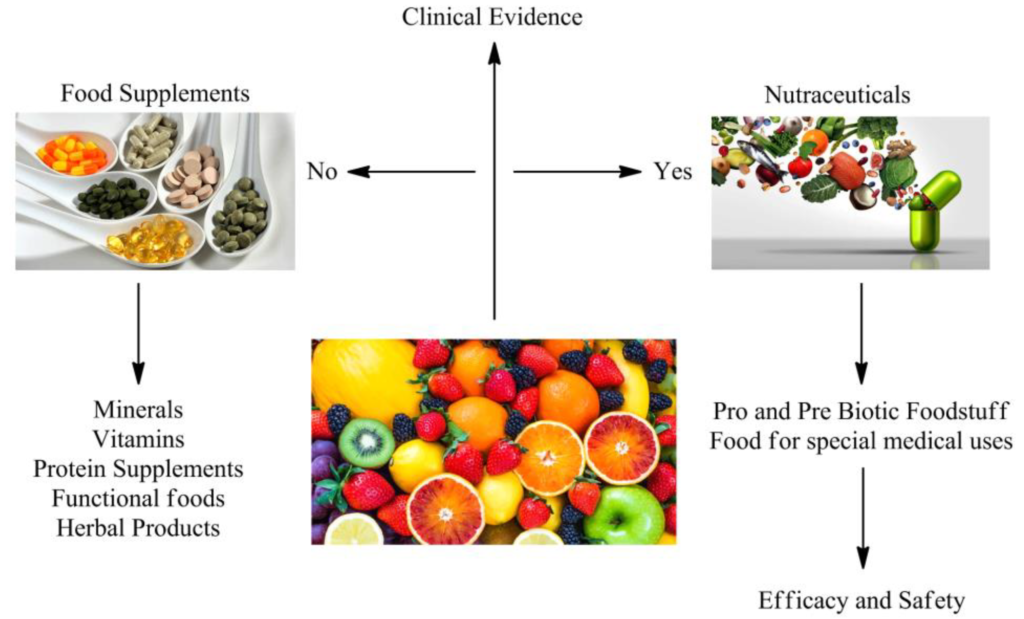
Image Reference: www.iimtu.edu.in
Safety Concerns and Potential Risks
Despite their benefits, functional foods and nutraceuticals are not always completely safe. One of the primary concerns is the lack of strict regulation in many regions. Unlike pharmaceutical drugs, which undergo rigorous testing for safety and efficacy, nutraceuticals are often subject to less stringent standards. This can result in variations in quality, potency, and purity.
Another issue is the risk of overconsumption. Many consumers assume that if a product is natural or health focused, it is safe to consume in large amounts. However, excessive intake of certain vitamins and minerals can lead to toxicity. For example, high doses of fat soluble vitamins such as vitamin A and vitamin D can accumulate in the body and cause harmful effects.
Interactions with medications are another important concern. Some nutraceuticals, particularly herbal supplements, can interfere with prescription drugs. This may reduce the effectiveness of medications or increase the risk of side effects. For instance, certain herbal extracts can affect blood clotting or alter how drugs are metabolized in the body.
Quality control is also a challenge. Contamination with harmful substances such as heavy metals, pesticides, or unauthorized additives has been reported in some products. Inconsistent labeling can further mislead consumers about the actual contents of a product.
Functional foods, although generally safer than supplements, can also pose risks when overfortified or consumed excessively. Adding multiple nutrients to foods may lead to unintended imbalances, especially when combined with supplements.
The Role of Regulation and Standards
Ensuring the safety of functional foods and nutraceuticals requires effective regulation and quality control. Regulatory frameworks vary across countries, with some regions having stricter guidelines than others. In many cases, products are not required to prove their health claims through extensive clinical trials before entering the market.
There is a growing need for standardized guidelines that ensure product safety, accurate labeling, and evidence based claims. Governments and health organizations are increasingly focusing on improving regulations to protect consumers.
At the same time, manufacturers have a responsibility to maintain high quality standards and provide transparent information about their products. Independent testing and certification can also help build consumer trust.
Consumer Awareness and Responsible Use
Consumers play a crucial role in ensuring their own safety when using functional foods and nutraceuticals. It is important to understand that these products are not a substitute for a balanced diet and healthy lifestyle. Relying solely on supplements without addressing underlying dietary habits may not provide the desired benefits.
Reading labels carefully, following recommended dosages, and consulting healthcare professionals before starting new supplements are essential practices. This is particularly important for individuals with existing health conditions, pregnant women, and those taking medications.
Being cautious about exaggerated marketing claims is also necessary. Not all products deliver the benefits they promise, and some claims may lack scientific support.
Are They Always Safe
Functional foods and nutraceuticals offer significant potential for improving health and preventing disease. They provide convenient and targeted solutions for addressing specific nutritional needs and health concerns.
However, they are not always completely safe. Their safety depends on factors such as quality, dosage, individual health conditions, and interactions with other substances. Without proper regulation and informed usage, these products can pose risks to consumers.
Conclusion
The rise of functional foods and nutraceuticals reflects a broader shift toward preventive healthcare and personalized nutrition. These products have the potential to enhance well being and support healthier lifestyles when used appropriately.
At the same time, it is important to approach them with caution and awareness. Safety cannot be assumed simply because a product is labeled as natural or beneficial. A balanced approach that combines proper nutrition, informed choices, and professional guidance is essential.
In conclusion, functional foods and nutraceuticals are valuable additions to modern diets, but they are not risk free. Understanding their benefits and limitations is key to using them safely and effectively in the pursuit of better health.