

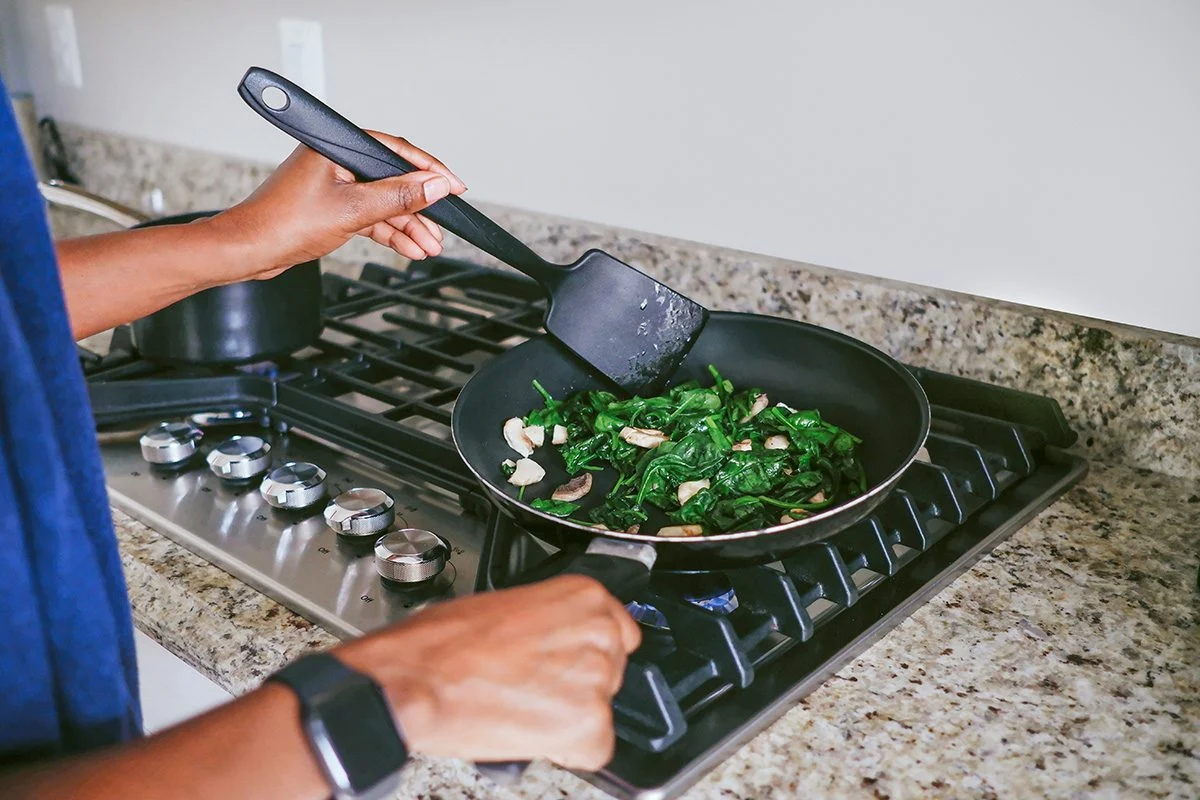
Take a look around your kitchen. Chances are you’ll find a black plastic spatula, ladle, or cooking spoon tucked away in a utensil holder. They’ve been our trusted kitchen companions for years lightweight, affordable, easy to clean, and perfect for non-stick cookware.
But recently, these everyday utensils have become the center of an unexpected debate. News headlines have raised concerns about their safety, leaving many people wondering:
“Should I throw away all my black plastic kitchen utensils?”
Before you empty your kitchen drawer, let’s understand what science actually says.
What Are Black Plastic Kitchen Utensils?
Black plastic kitchen utensils are simply cooking tools made from plastic, including spatulas, serving spoons, ladles, tongs, and slotted turners. They are commonly used because they are durable, heat-resistant, and gentle on non-stick cookware.
The colour black itself isn’t the problem. The concern is about what some of these utensils are made from.
Why Are They Suddenly in the News?
Recent scientific studies found that some black plastic consumer products may have been manufactured using recycled plastic from old electronic devices, such as televisions, computers, and keyboards.
Electronic equipment often contains chemicals called flame retardants. These chemicals help reduce the risk of fire in electronic products, but they are not intended to be present in materials that come into contact with food.
Researchers detected traces of these chemicals in some black plastic products, raising concerns that small amounts could potentially migrate into food when utensils are exposed to high cooking temperatures.
While this has sparked widespread discussion, it’s important to understand that researchers are still studying the long-term health impact and the level of real-world exposure. The findings do not mean that every black plastic utensil is unsafe.
Does This Mean All Black Plastic Utensils Are Unsafe?
Not at all.
One of the biggest misconceptions is that all black plastic kitchen utensils are dangerous. In reality, many utensils are manufactured using food-grade plastic, which is specifically designed and tested for safe contact with food.
Food-grade plastics must meet safety standards before they can be used in kitchen products. When purchased from reputable manufacturers and used correctly, these utensils are generally considered safe for everyday cooking.
The concern mainly lies with poor-quality or improperly manufactured products, particularly those made from recycled plastics that are not intended for food-contact applications.
When Should You Replace Your Plastic Utensils?
Whether your utensils are black, white, or any other colour, they should not last forever.
It’s time to replace them if you notice:
- Cracks or chips
- Melted or warped edges
- Deep scratches
- Peeling surfaces
- Signs of excessive wear
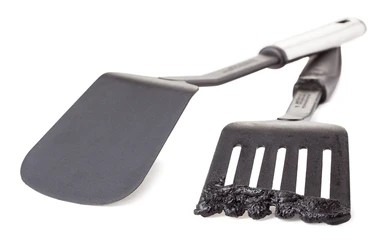
Damaged utensils are not only more difficult to clean but can also trap bacteria in tiny cracks and may release small plastic particles during cooking.
Choosing Safer Kitchen Utensils
Keeping your kitchen safe doesn’t require a complete makeover. A few smart choices can make a big difference:
- Purchase utensils from trusted brands that clearly mention food-grade materials.
- Avoid extremely cheap products with no manufacturer details or safety information.
- Replace utensils that are damaged, cracked, or heavily worn.
- Avoid exposing plastic utensils to temperatures beyond the manufacturer’s recommendations.
- If you frequently cook at very high temperatures, consider using stainless steel, silicone, or well-maintained wooden utensils where appropriate.
The Bottom Line
The recent headlines about black plastic kitchen utensils shouldn’t cause unnecessary panic they should encourage informed choices.
Not every black plastic utensil is unsafe. In fact, food-grade plastic utensils from reputable manufacturers remain suitable for everyday cooking. The key is to choose quality products, inspect them regularly for signs of wear, and replace them when they become damaged.
Food safety isn’t just about the ingredients on your plate. It’s also about the tools you use to prepare them. By making small, informed decisions today, you can help create a safer kitchen for yourself and your family.